ASTROWORLD
How Travis Scott Engineered the Perfect Rage Economy

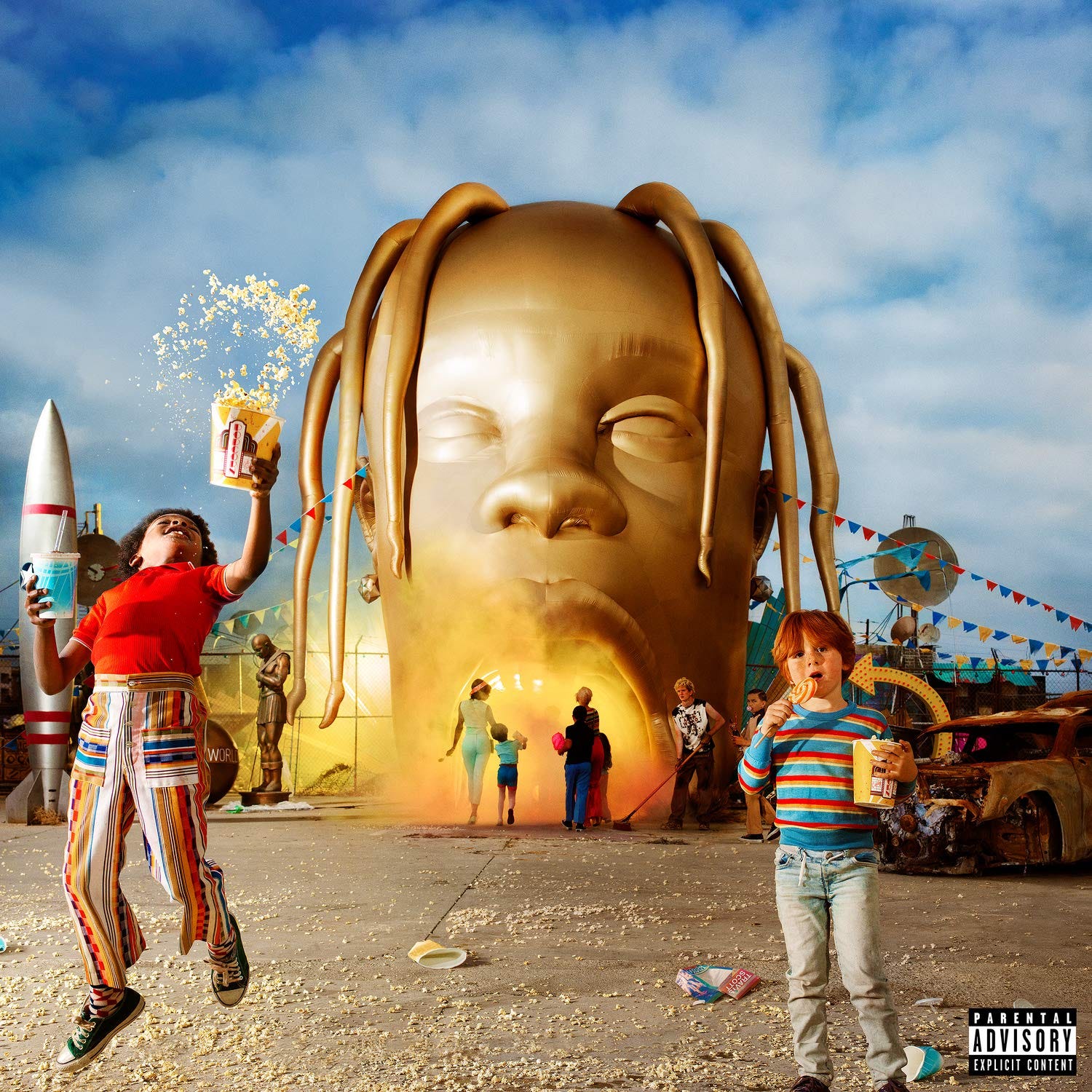
In 2018, Travis Scott was a superstar, but he wasn’t a titan. He was “Kanye’s protege” or a “fashion icon,” but he lacked his own Magnum Opus. The rap industry was split: you were either a “lyrical miracle” (Kendrick/Cole) or a “mumble rapper” (Lil Pump/Playboi Carti).
Travis rejected both lanes. With ASTROWORLD, he didn’t just release an album; he built a physical and digital theme park that monetized chaos. While critics were debating his lyrics, he was designing an experience economy. The result wasn’t just a #1 album; it was the blueprint for modern artist capitalization.

The Gamification of the “First Listen”
Before ASTROWORLD, tracklists were transparent. You knew exactly which song featured Drake or The Weeknd before you pressed play. Travis realized this destroyed the mystery.
He hid the features. The tracklist on Spotify didn’t list the guests. This was a brilliant UI/UX decision. It gamified the listening experience. Millions of fans rushed to stream the album instantly just to “unlock” the surprises. Hearing Frank Ocean suddenly appear on CAROUSEL or Drake on SICKO MODE created real-time viral moments on Twitter. He turned a passive activity (listening) into an active scavenger hunt.

Sonic Brutalism and The Mike Dean Effect
Musically, the album is an assault. With legendary producer Mike Dean at the helm, the soundscape was designed to sound expensive but distorted.
It is “Psychedelic Trap.” It combines the gritty, lo-fi drums of the South with the grandiose, cinematic synths of progressive rock. Tracks like STARGAZING don’t follow standard pop structures; they switch tempos, pitch-shift vocals, and dissolve into noise. This wasn’t radio music; it was stadium music. He engineered the songs specifically to sound best when played at 120 decibels in a mosh pit, not through iPhone speakers.
The “Sicko Mode” Anomaly
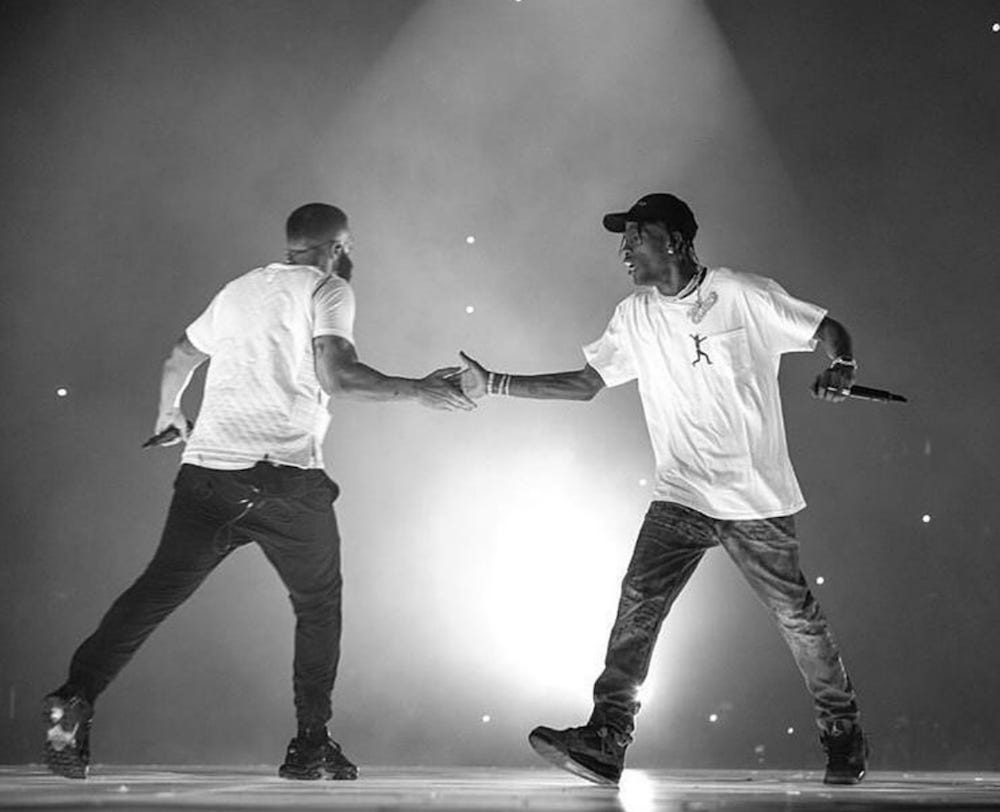
SICKO MODE should not have worked. It has three distinct beat switches, no traditional chorus, and a Drake verse that gets cut off halfway through.
In music theory terms, it is a mess. In the attention economy, it is perfection. It caters to the “TikTok brain” before TikTok even dominated music. By constantly changing the sonic environment every 60 seconds, it resets the listener’s attention span. It forced radio stations to play a 5-minute experimental track because the culture demanded it. It was the first “suite” to go Diamond.
The Merch-Industrial Complex
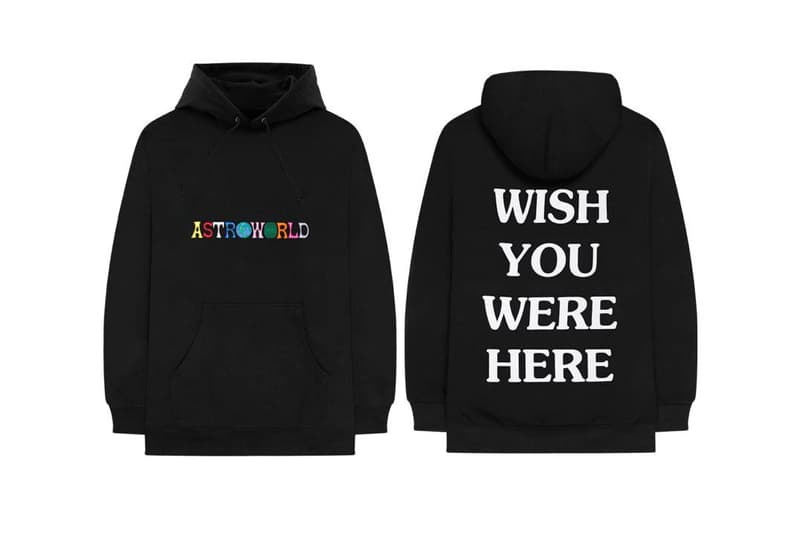
Travis Scott didn’t just sell music; he sold a uniform. The ASTROWORLD merch line was handled like a streetwear drop, not concert souvenirs.
He introduced the concept of the “24-hour flash sale.” Every day for a week, new merch dropped and old merch disappeared. This created artificial scarcity and FOMO (Fear Of Missing Out). He bundled these items with digital album downloads (a practice Billboard eventually banned because of him). He wasn’t competing with other rappers on the charts; he was competing with Supreme and Nike for wallet share.

Location-Based Nostalgia
The smartest narrative hook was grounding the album in a real place: the defunct Six Flags AstroWorld in Houston, closed in 2005.
“They tore down AstroWorld to build more apartment space.” That line gave the album a soul. It wasn’t just partying; it was about gentrification and the loss of childhood innocence. By anchoring the abstract trap sound to a specific, lost physical location, he gave his fans a world to mourn and celebrate simultaneously.

The Twist: The Curator as the Artist
The biggest criticism of Travis Scott is that he “doesn’t do anything”- he doesn’t write all his lyrics, and he uses teams of producers.
This is exactly why he wins. ASTROWORLD proved that the modern “Artist” is actually a Creative Director. Travis is the Steve Jobs of the studio: he may not solder the chips (make the beats) or write the code (write every verse), but he has the vision of what the final product must be. He orchestrated Stevie Wonder, James Blake, Tame Impala, and Gunna on the same project. No one else could make those pieces fit. His talent isn’t “rapping”; it’s taste.